Designing AI Experiences
Lessons from Museums, Galleries and Festivals
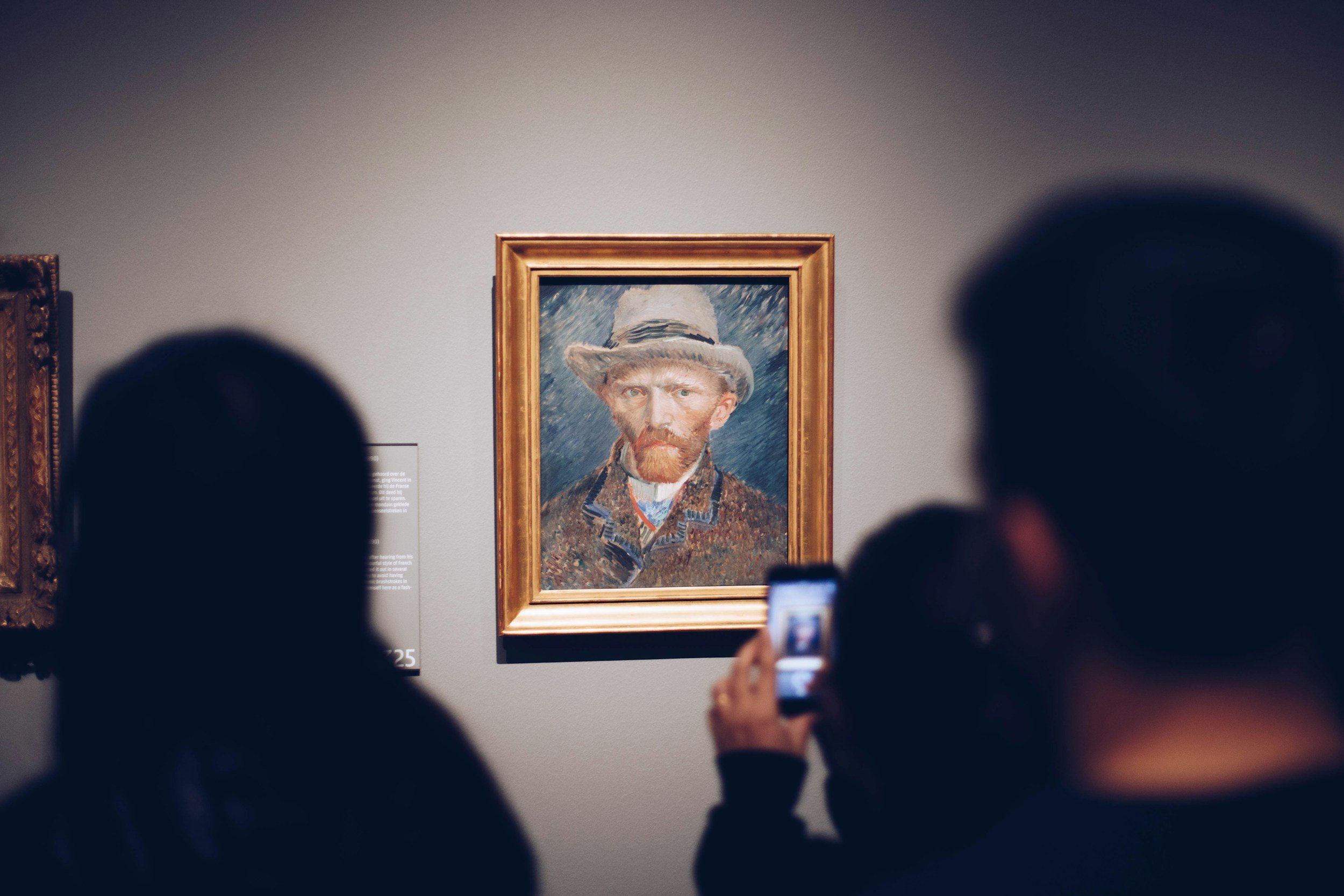
Where Culture Meets AI
Museums, galleries, and festivals have always been testing grounds for new ways of engaging audiences. Today, they’re also proving grounds for artificial intelligence, not just as a back-end tool, but as part of the visitor experience itself.
In these settings, AI isn’t about automating processes or crunching datasets. It’s about interaction, storytelling, and making culture feel alive in new ways. When done thoughtfully, AI becomes an extension of the curator’s role: guiding, interpreting, and opening up dialogue.
Examples from the Field
AI-powered storytelling apps
Some museums have trialled apps that use natural language processing to allow visitors to ask free-form questions about artefacts. Instead of static labels, audiences receive context-aware responses, curated and quality-checked, but powered by AI to broaden engagement.Generative art at festivals
Music and arts festivals have become early adopters of AI-generated visuals, using systems to create real-time projections that react to live performances. The AI becomes a collaborator, responding to sound and movement in ways that feel fluid and immersive.Conversational guides
In galleries and heritage sites, chat-based AI is being tested as a companion guide. These systems can tailor explanations to different age groups or knowledge levels, making complex collections more approachable. Crucially, their success depends on careful curatorial oversight to ensure accuracy and sensitivity.
The Challenges
Not every experiment succeeds. We’ve seen projects struggle with:
Overcomplication: visitors can be alienated if the technology is harder to navigate than the exhibition itself.
Technical fragility: if an app crashes mid-tour or projections glitch during a performance, trust in both the tech and the institution suffers.
Ethical blind spots: AI must be transparent. Visitors need to know what is human-authored, what is AI-generated, and where interpretive leaps are being made.
What Others Can Learn
The best AI experiences in culture are those that enhance, not replace. They invite visitors to engage more deeply, to move from passive spectators to active participants. And they do so while preserving curatorial integrity, clarity of provenance, and respect for audiences.
For SMEs and other sectors, there’s an important lesson: cultural organisations show that AI adoption isn’t about novelty. It’s about designing experiences that are meaningful, resilient, and trustworthy.