When Digital Preservation Becomes Digital Erasure
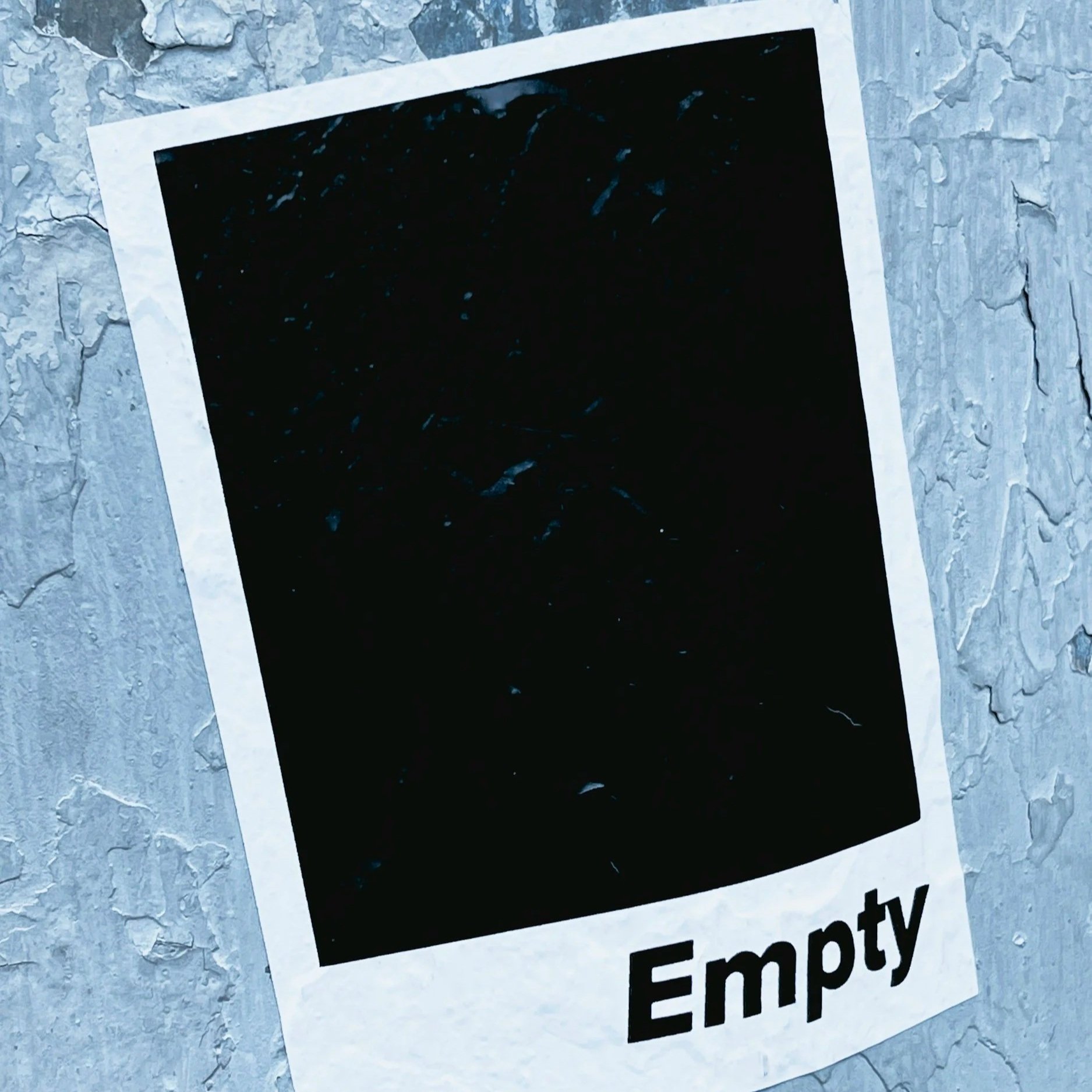
How poorly designed digitisation projects risk losing the very heritage they aim to protect.
Digitisation is often framed as preservation. Scan it, store it, and the problem is solved.
But the reality is more complex.
Without careful design, digitisation can unintentionally strip context, flatten meaning, and obscure provenance, creating a form of digital erasure rather than preservation.
The Illusion of Completeness
A 3D scan or digital archive can appear authoritative. Yet it often captures only a fraction of what matters:
Missing contextual metadata
Absent cultural interpretation
Loss of material nuance
No record of uncertainty or damage
What remains is a technically accurate, but culturally incomplete representation.
Standardisation vs Meaning
Digitisation pipelines often prioritise efficiency:
Uniform metadata schemas
Automated tagging
Batch processing
While necessary at scale, these approaches can erase local specificity and interpretive richness.
Heritage is not uniform and treating it as such reduces its value.
Designing for Preservation, Not Just Capture
Effective digital preservation requires:
Rich, layered metadata
Clear provenance and authorship
Documentation of uncertainty
Community input and validation
Long-term accessibility planning
Technology must support meaning, not overwrite it.
Final Thought
Digitisation is not neutral. It shapes how the past is understood.
Preserving heritage digitally means preserving context, not just content.