Who Speaks for the Past?
Authority and Voice in AI-Generated History
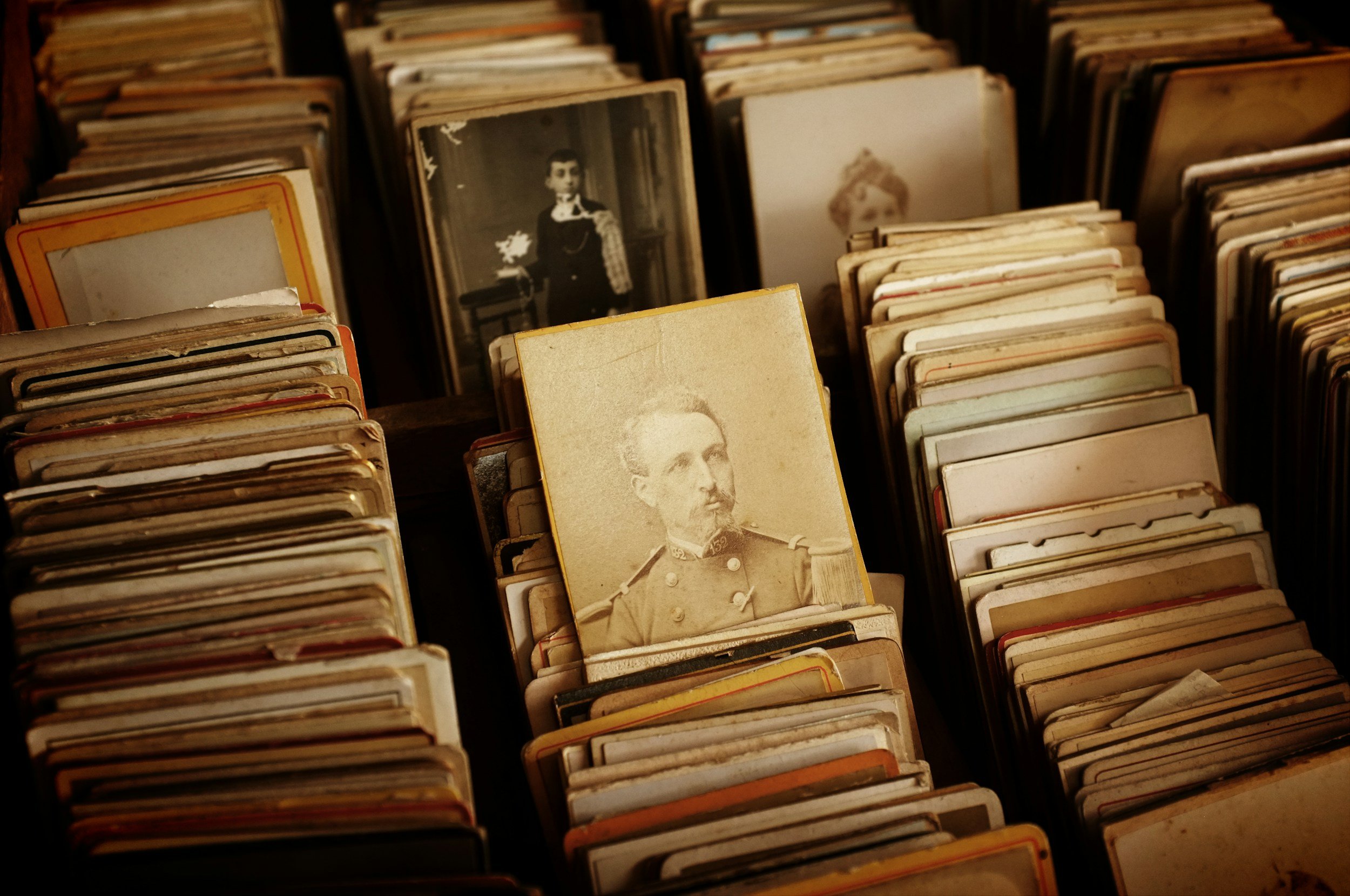
Ethics, authorship, and power in digital interpretation.
AI systems are increasingly used to generate historical narratives, reconstruct artefacts, and simulate environments. But as these tools shape cultural storytelling, a fundamental question emerges:
Who speaks for the past?
When algorithms generate reconstructions or narratives, authority can become blurred. The technology may appear neutral, but it reflects choices embedded in data, design, and deployment.
Understanding these dynamics is essential for responsible heritage practice.
Authorship in the Age of AI
Traditional heritage interpretation clearly identifies authors: historians, curators, archaeologists.
AI complicates this clarity.
Outputs may be influenced by:
Training datasets
Model architectures
Prompt design
Curatorial input
Community feedback
Authorship becomes distributed but responsibility must remain defined.
Clear attribution of human oversight is critical.
Bias and Historical Perspective
Training data reflects existing power structures.
If archives overrepresent certain voices, AI models may amplify those narratives while marginalising others.
Responsible deployment requires:
Critical evaluation of datasets
Inclusion of underrepresented perspectives
Transparent acknowledgement of limitations
AI does not create bias; it inherits and sometimes magnifies it.
Power and Interpretation
When AI-generated reconstructions are presented without context, they risk appearing authoritative and uncontested.
Heritage organisations must decide:
How speculative elements are labelled
How uncertainty is communicated
How community voices are incorporated
Technology should not obscure the interpretive process.
Designing for Ethical Clarity
Practical steps include:
Layered reconstruction models
Public-facing explanations of methodology
Human review panels
Explicit differentiation between evidence and inference
Ongoing community consultation
These measures protect credibility and ensure that digital heritage remains accountable.
Final Thought
AI can enrich historical storytelling, but it cannot replace historical responsibility.
Who speaks for the past matters.
The future of digital heritage will depend not only on technological capability, but on ethical clarity, ensuring that authority remains transparent, participatory, and grounded in shared human understanding.