Accessibility, affordability, and the shift toward everyday XR.
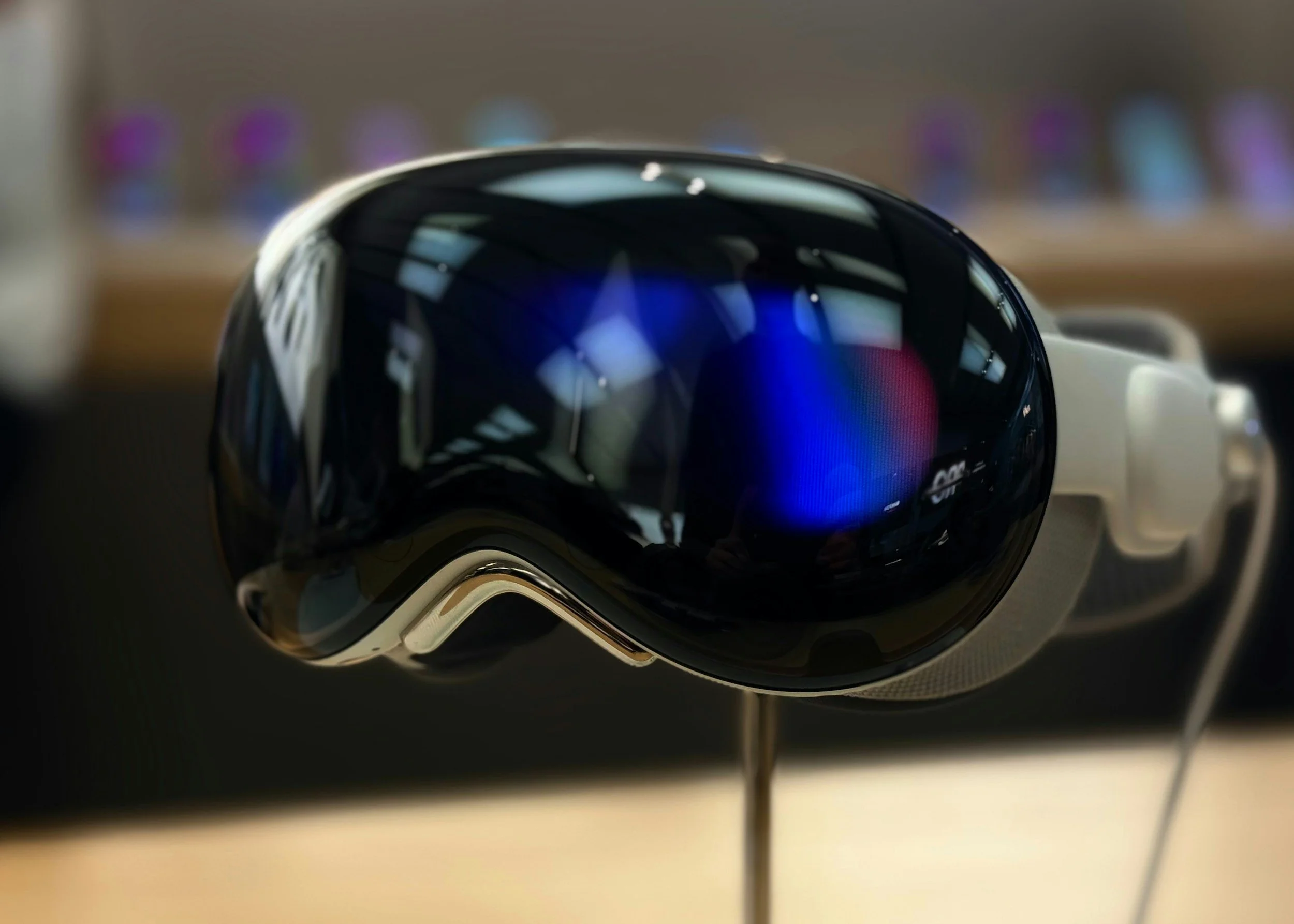
For years, XR has been associated with headsets, immersive, high-end devices promising fully virtual experiences.
Yet despite significant investment, adoption has remained limited.
In contrast, a quieter shift is underway: mobile-first 3D and XR experiences are scaling rapidly.
The reason is simple. Accessibility beats immersion.
The Practical Limits of Headset-Based XR
Headsets introduce barriers:
High upfront cost
Hardware requirements
User discomfort or unfamiliarity
Limited session duration
Operational complexity for organisations
For SMEs, schools, and cultural institutions, these barriers often outweigh the benefits.
Why Mobile-First Is Winning
Mobile XR leverages devices people already use.
This enables:
Immediate access without training
Lower deployment costs
Scalable distribution
Integration into existing workflows
Wider audience reach
From browser-based 3D models to smartphone-enabled scanning, mobile-first XR aligns with real-world usage patterns.
Implications for 3D Capture and Platforms
Technologies like lightweight 3D capture systems demonstrate that high-quality spatial data no longer requires specialist hardware.
This opens opportunities for:
Education and fieldwork
Cultural documentation
Local authority planning
Community-led heritage projects
The shift is not toward less capable XR, but toward more usable XR.
Final Thought
XR will not scale through exclusivity. It will scale through accessibility.
Mobile-first approaches are not a compromise, they are a recognition of how people actually engage with technology.
For SMEs and public organisations, that shift unlocks real-world impact.