

Democratising XR:
Until recently, XR and 3D tools were the preserve of large organisations with the budgets and technical teams to match. High-end VR headsets, LiDAR scanners, and custom-built applications priced out smaller players, leaving schools, councils, and SMEs to watch from the sidelines.
From Data to Decisions
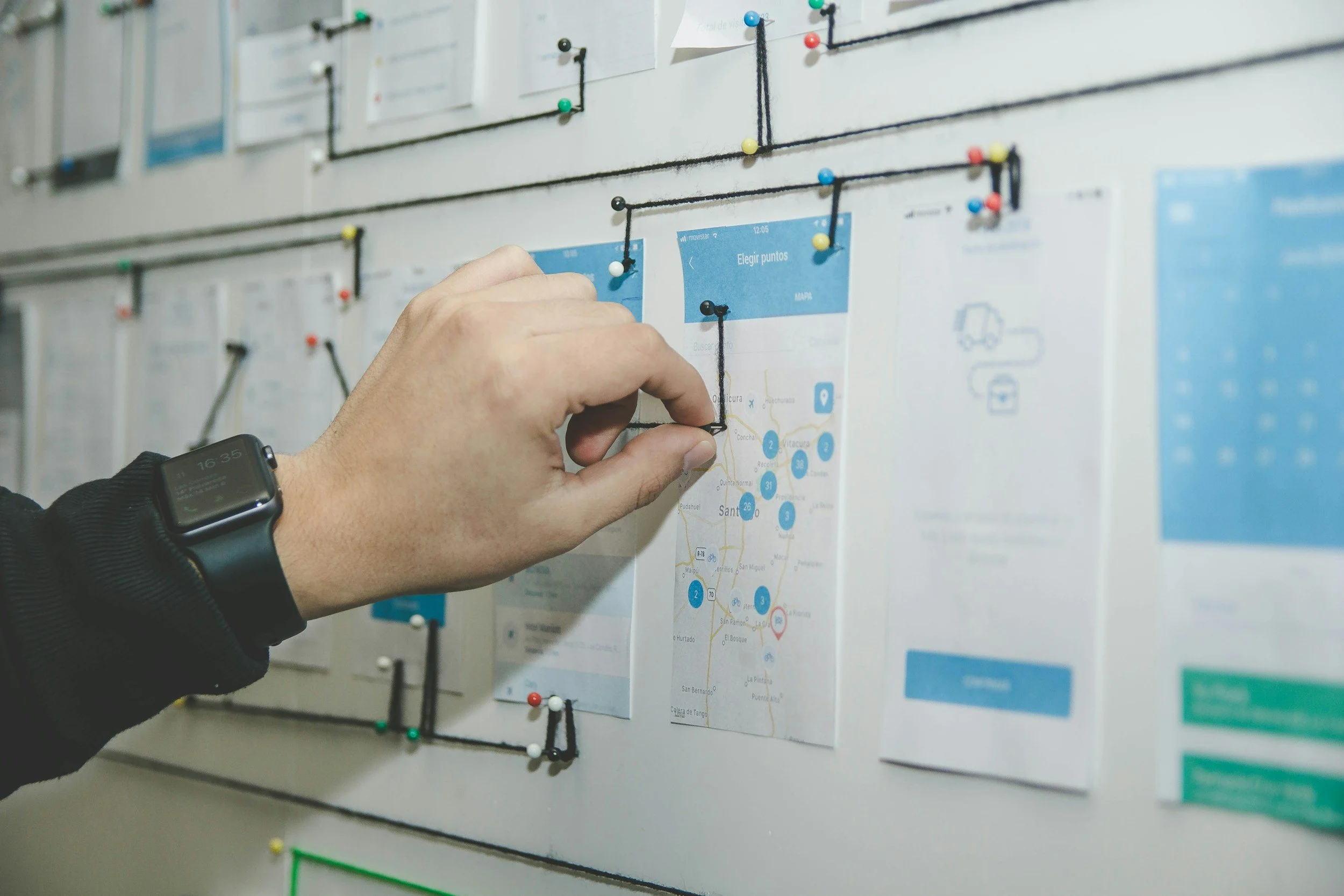
AI tools promise insights, predictions, and recommendations. But for SMEs and cultural organisations, the real challenge is not generating outputs, it’s turning them into actionable decisions. A dashboard full of metrics is only useful if decision-makers know what those numbers mean and how to act on them.

Future of Creative AI
Much of the public debate around AI in the creative industries frames it as a threat: machines competing with humans, replacing jobs, and eroding originality. But this narrative overlooks the many artists who are already using AI not as a rival, but as a collaborative partner.

Policy in Motion
The EU’s AI Act, agreed in 2024 and now moving into implementation, is the world’s first comprehensive framework for regulating artificial intelligence. Alongside it, the UK has taken a lighter, sector-led approach, with guidance framed by principles rather than prescriptive rules. For SMEs operating in or trading with Europe, these policy shifts may feel abstract, yet their impact will be very real.

XR for Communities
Extended Reality (XR) is often associated with big-budget museums, immersive exhibitions, or tourism experiences designed to attract visitors. Yet its potential stretches far beyond those spaces. XR can be a tool for communities, helping residents engage with local issues, shape shared spaces, and preserve cultural memory in ways that feel personal and participatory.

SMEs and the AI Skills Puzzle
For SMEs, AI feels both like an opportunity and a puzzle. Larger organisations can afford data science teams and enterprise AI platforms, but most small businesses are working with limited budgets and generalist staff. So how do you build AI capability when you don’t have deep pockets or a dedicated R&D department?

Heritage in the Cloud
For many heritage organisations, cloud platforms offer an appealing solution. They provide scalable storage, global accessibility, and integration with powerful AI and XR tools. Vast datasets, from digitised manuscripts to 3D scans, can be made available to researchers, educators, and the public with unprecedented reach.

Responsible AI Procurement for the Public Sector
Public sector organisations, from councils and healthcare trusts to libraries, museums, and heritage bodies, face increasing pressure to adopt AI. The promise is clear: efficiency, better services, and new ways to engage communities. But choosing the right supplier is not just a technical decision; it’s an ethical and strategic one that directly impacts public trust.
3D Scanning in the Field
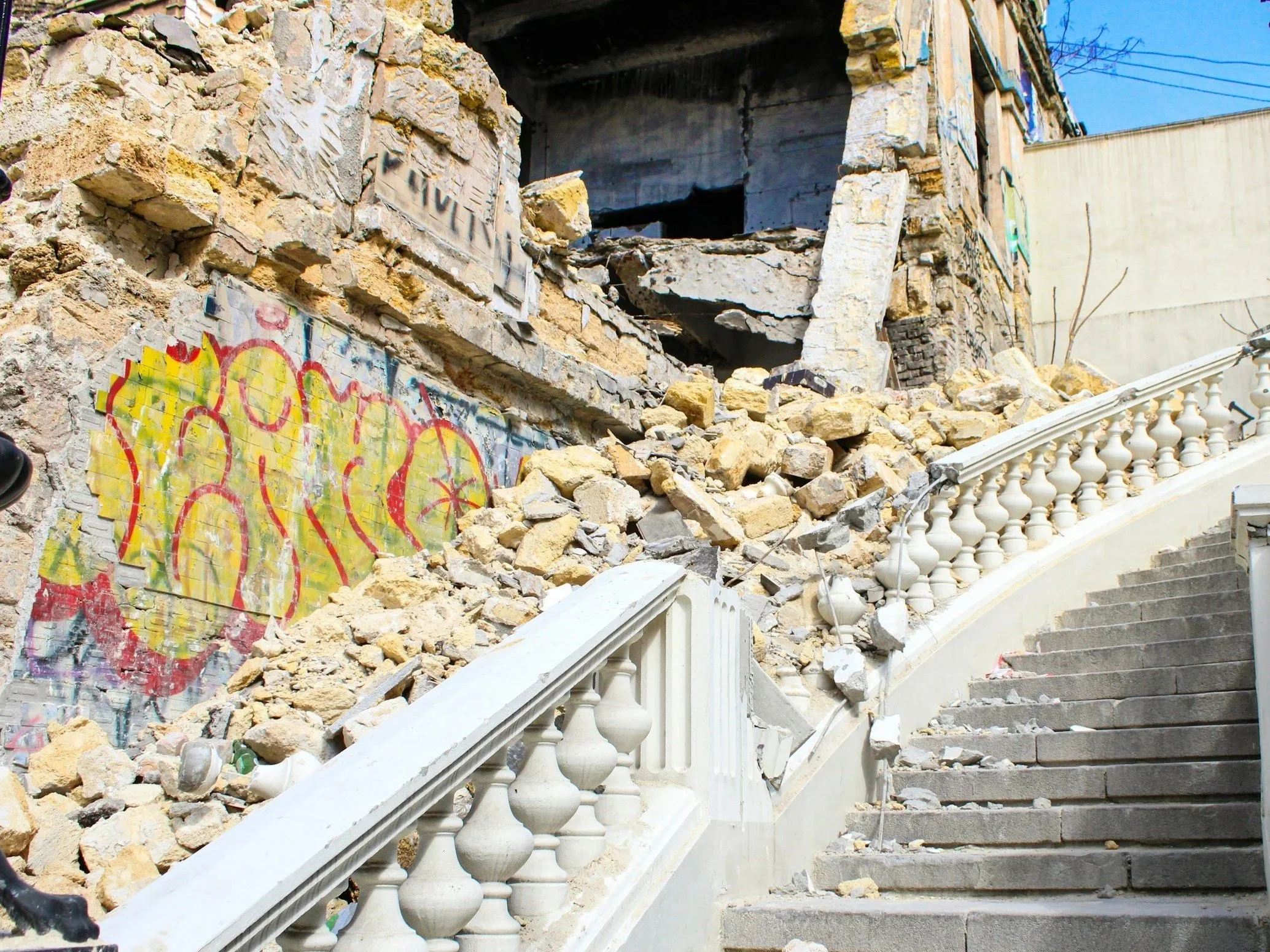
When disaster strikes, time is everything. Earthquakes, floods, and fires leave emergency services with an urgent need: rapid, reliable information about what lies ahead. In those first critical hours, decisions must be made with imperfect knowledge, often putting responders and communities at risk.

AI Literacy for Everyone:
AI is no longer confined to labs or tech companies. It shapes everyday experiences, from healthcare to education to the way we consume culture. Yet public understanding of how AI works, and what its limitations are, still lags far behind adoption.

What SMEs Can Learn from AI in the Arts
The arts have always been quick to experiment with new technologies. From generative music and AI-assisted visual art to interactive installations, creative projects often push boundaries before businesses catch up. For small and medium-sized enterprises (SMEs), these experiments offer more than spectacle, they provide practical lessons in agility, adoption, and customer engagement.

Designing AI Experiences:
Cultural organisations have always pushed the boundaries of how people connect with knowledge, stories, and creativity. Today, they’re also becoming proving grounds for artificial intelligence, not as a hidden backend tool, but as part of the visitor experience itself.

Reclaiming Local Data:
AI development is often framed as the domain of big tech, driven by global platforms and massive datasets. But for many communities, the most valuable insights aren’t hidden in the world’s largest corporation, they’re found closer to home.

What Happens When AI Gets It Wrong?
AI is often celebrated for its ability to accelerate processes, unlock insights, and create new forms of engagement. But in sectors like heritage, education, and the creative industries, accuracy matters. An error isn’t just a wrong answer, it can distort historical narratives, misrepresent communities, or erode public trust.

Neural Networks:
Neural networks are often presented as a leap toward "artificial intelligence" but in reality, they solve a specific kind of mathematical problem, and one that is not easily addressed by classical methods.

Beyond Scans:
3D scanning has transformed the way we preserve and share cultural artefacts, spaces, and even performances. But as the technology becomes more accessible, it’s vital to ask: how do we use these digital assets ethically?

Benchmarking AI Performance for SMEs:
For SMEs, the conversation around AI performance is often dominated by enterprise-scale benchmarks, numbers generated using massive datasets, proprietary hardware, and budgets that dwarf an SME’s annual turnover.

From Digital Twins to Living History:
3D scanning and digital twins have transformed how we document cultural heritage, but the story doesn’t end with preservation. Increasingly, curators, educators and digital creatives are asking a bigger question:
What if we don’t just replicate the past, what if we bring it to life?

Rethinking AI Value Chains:
We’re often told that data is the new oil. But in today’s AI economy, most data owners don’t feel like oil barons.
Whether you’re a small business, a cultural organisation, or a public body, chances are you’ve contributed, knowingly or not, to training the models that power today’s AI platforms. But as those models become billion-pound assets, it’s worth asking: who’s really benefiting from your data?

XR Beyond the Museum:
When people think of 3D and XR, they often imagine headsets in galleries or tech showcases in museums. But there’s a quieter revolution happening, XR is starting to appear in places where people don’t expect it. Libraries. Parks. Hospitals. Town halls.